The Advisory Board of the College of Administration and Economics Holds Its First Regular Meeting
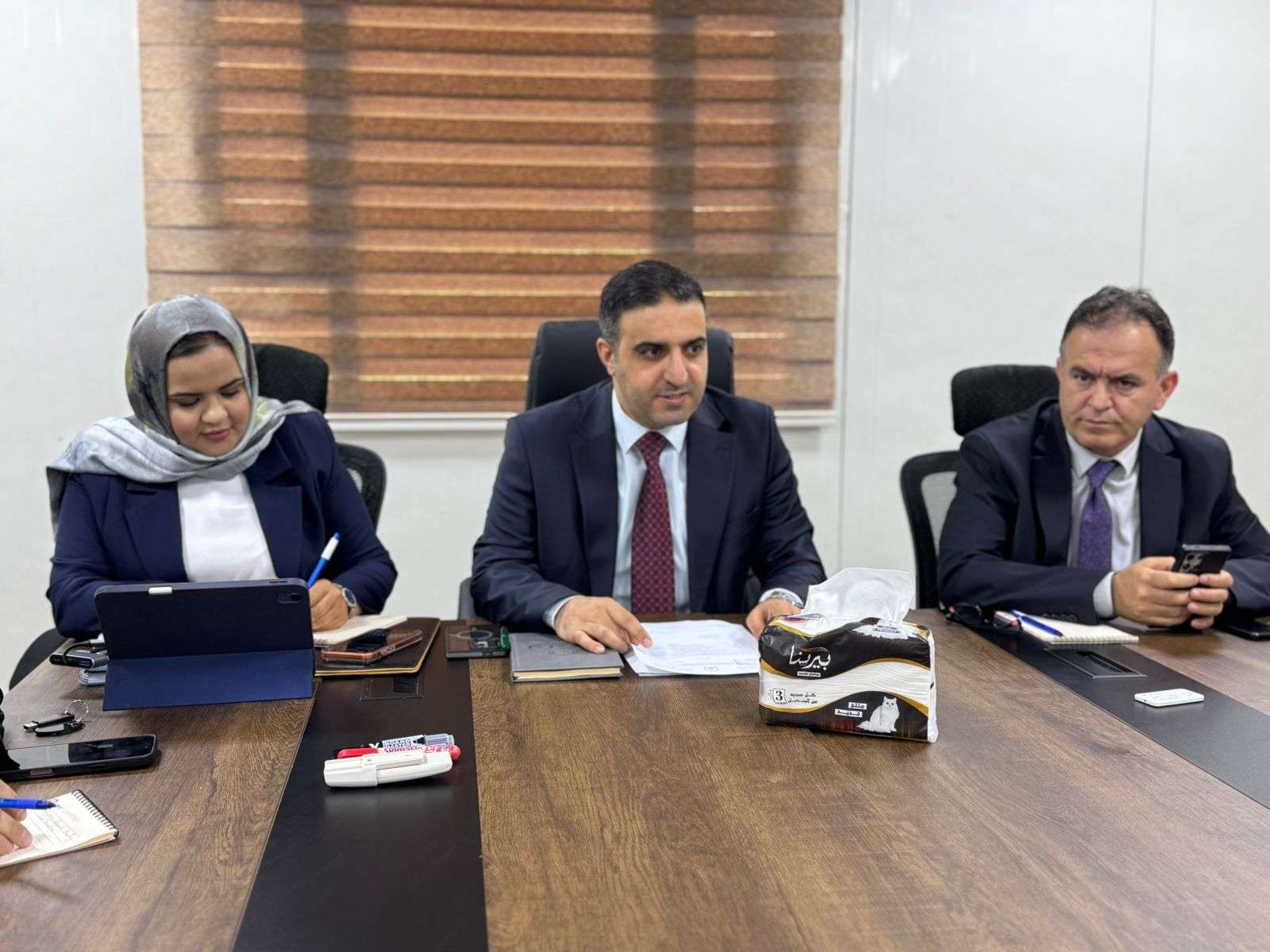
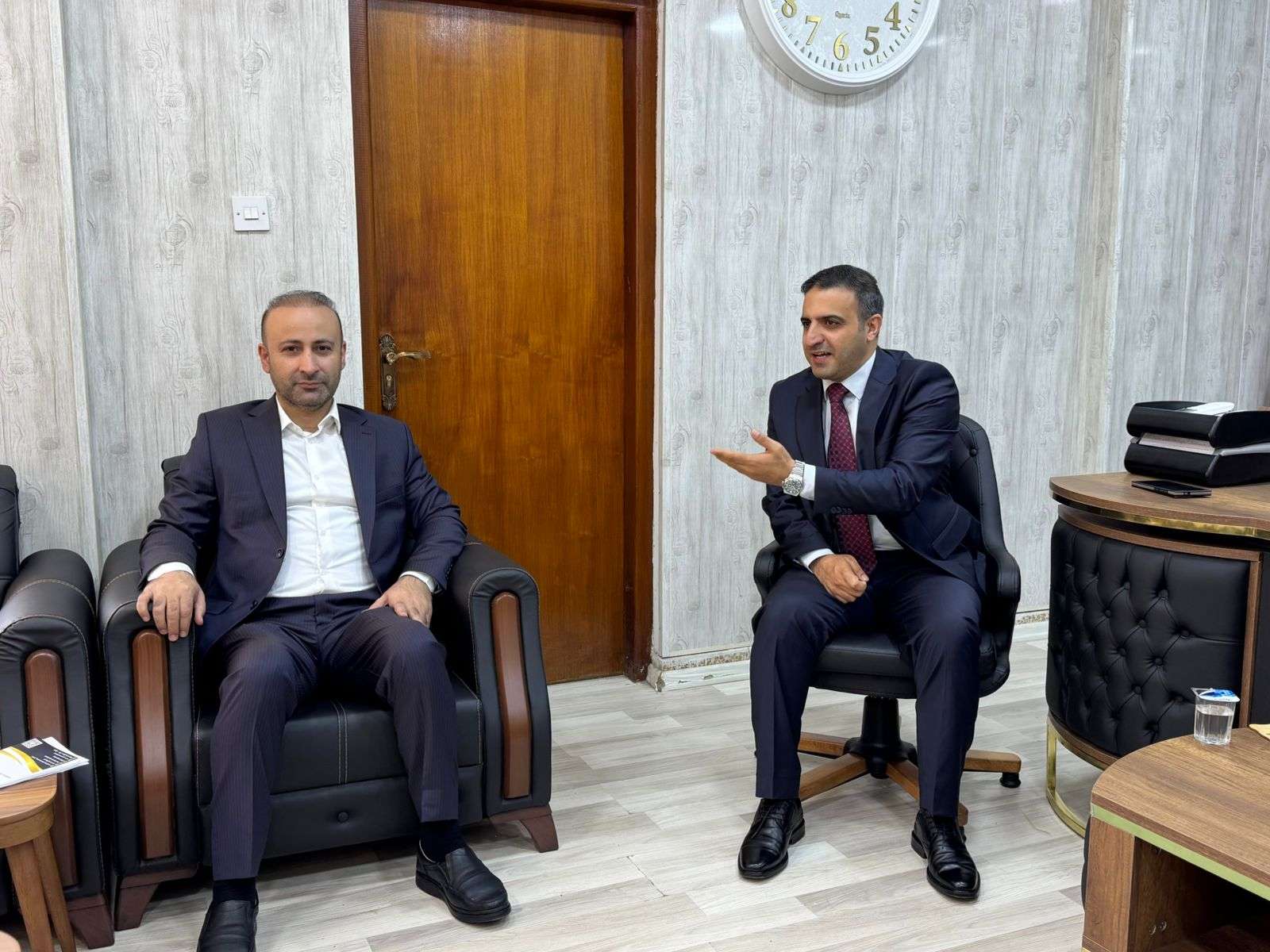
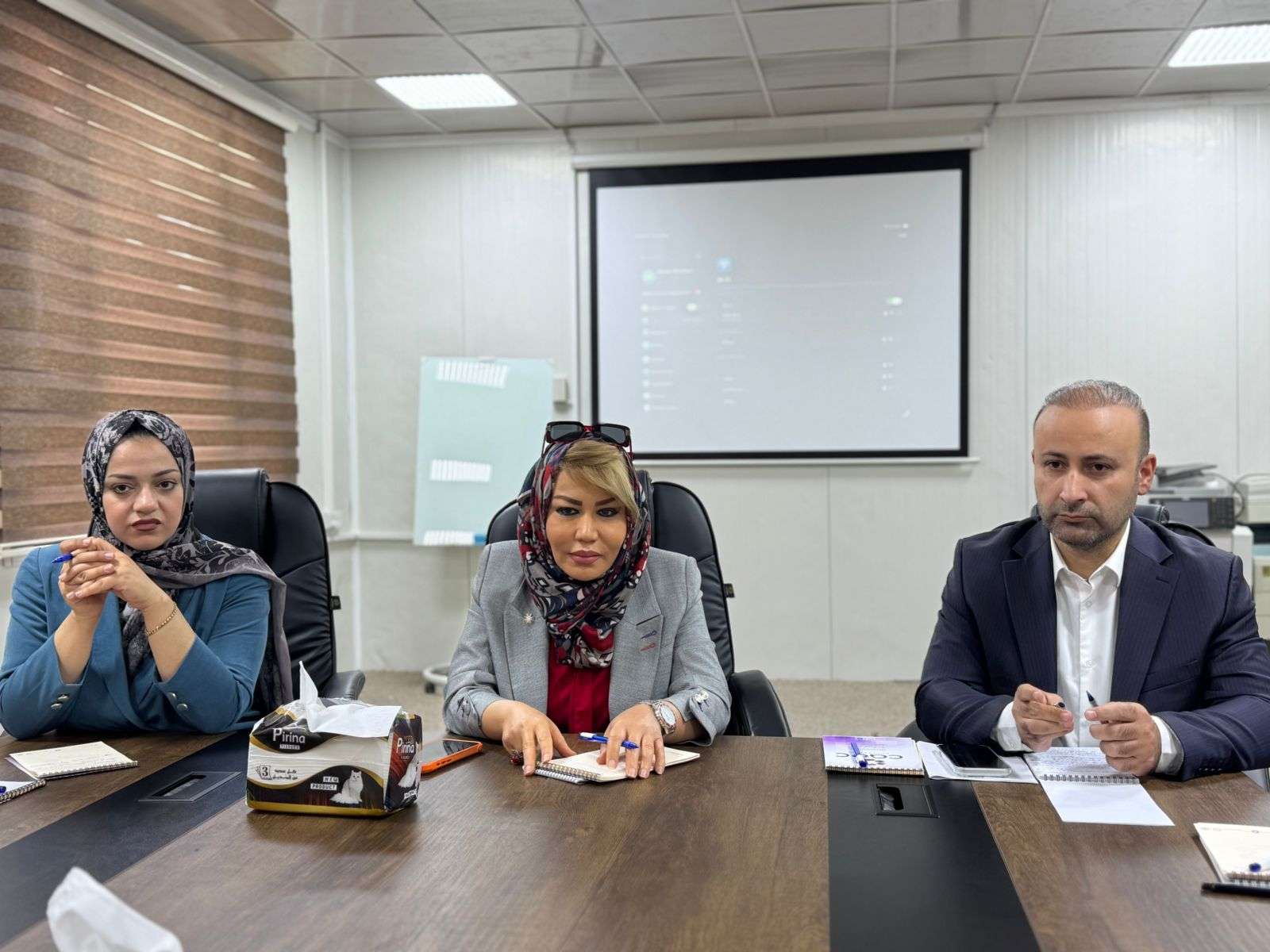
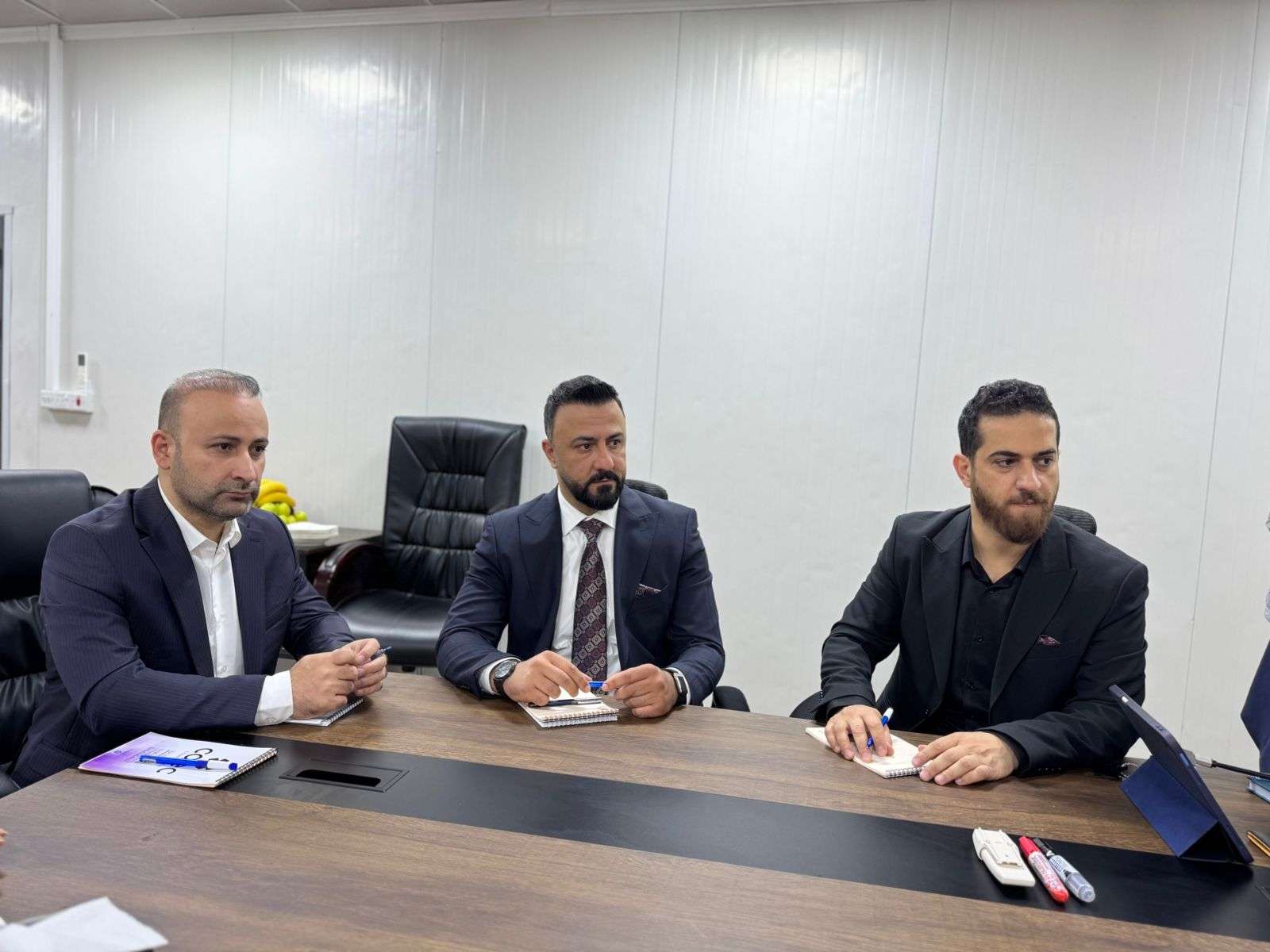
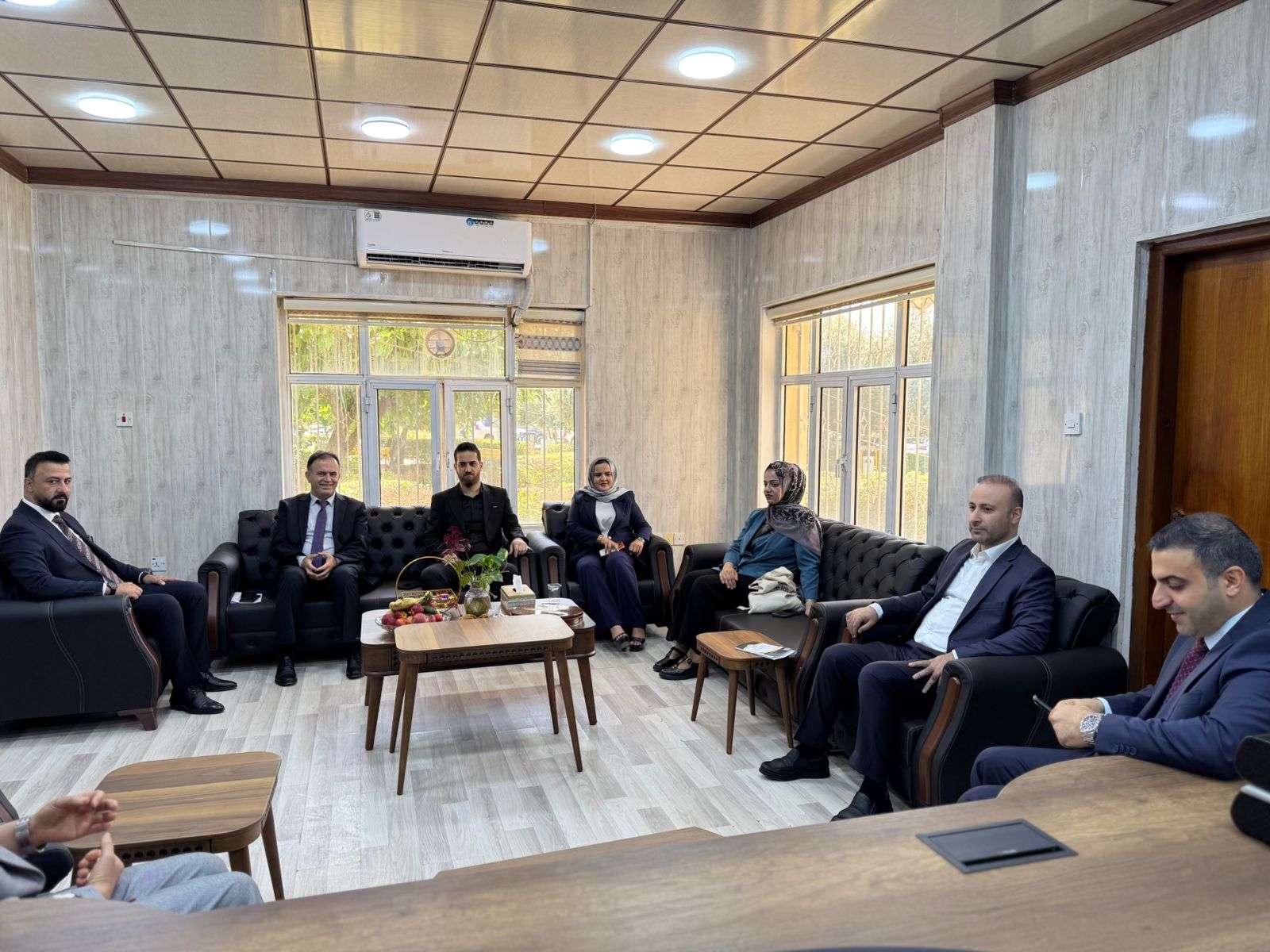
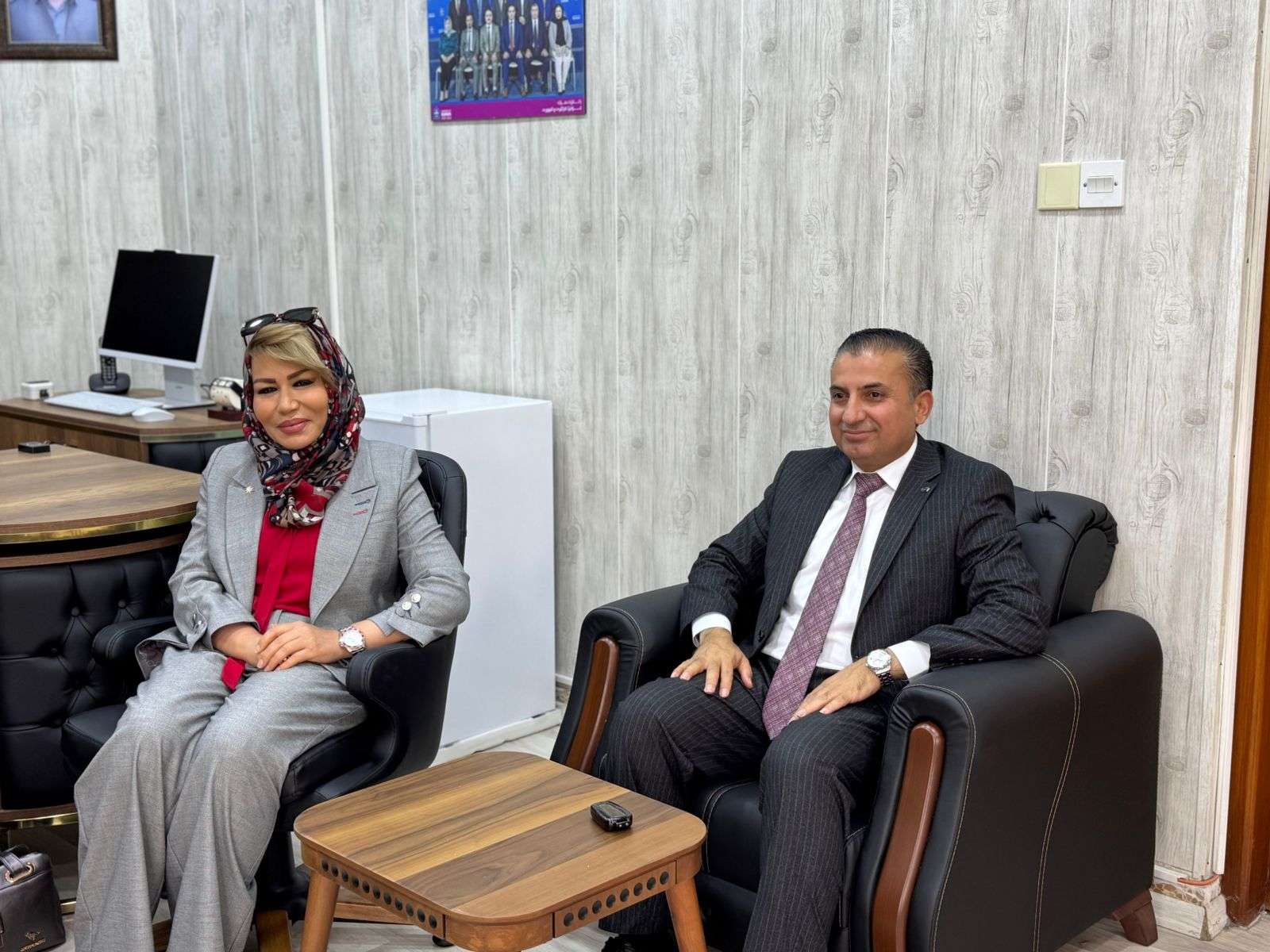
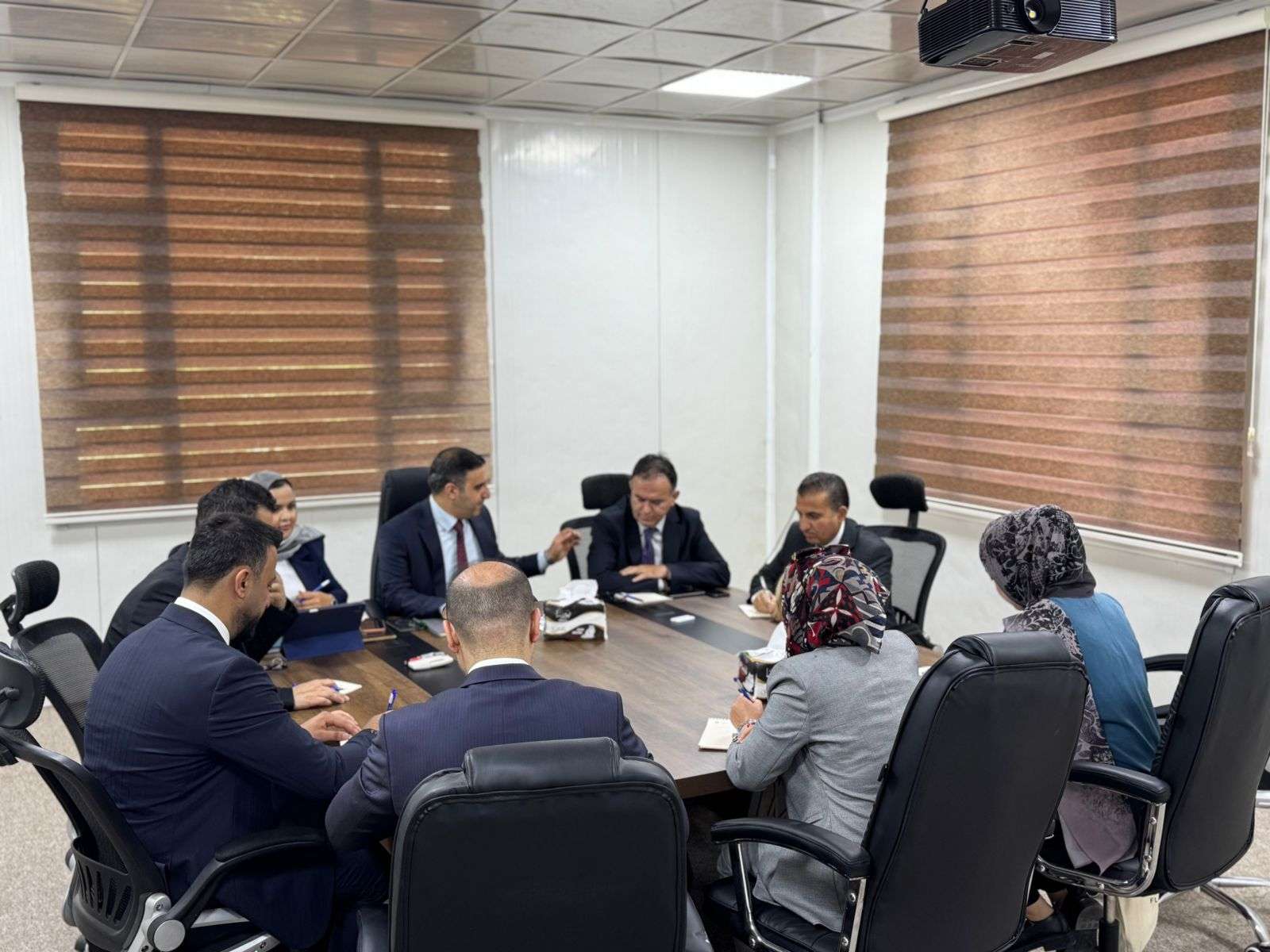
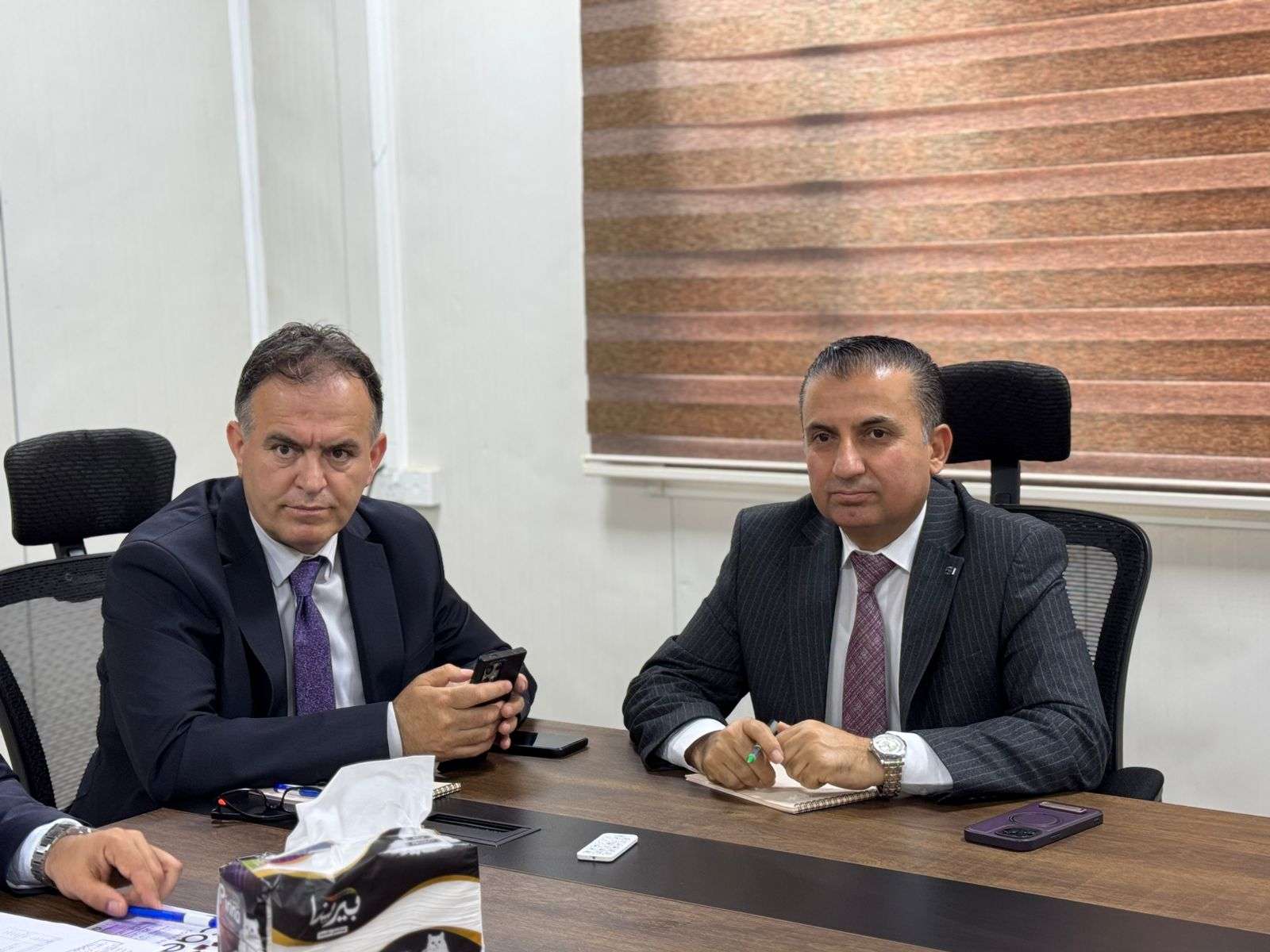
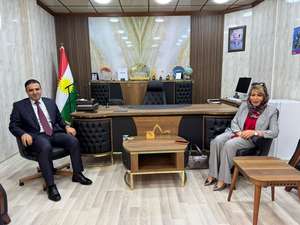
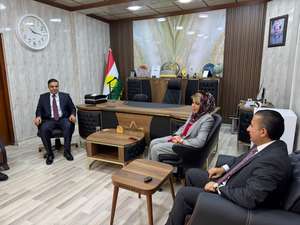
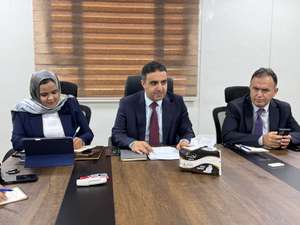
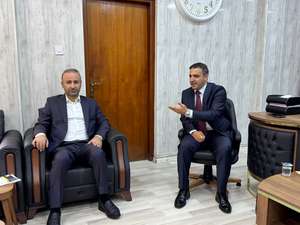
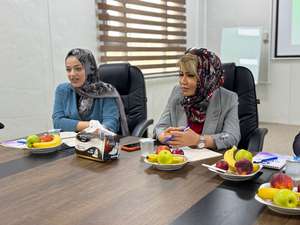
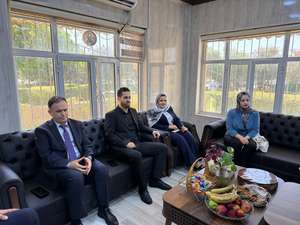
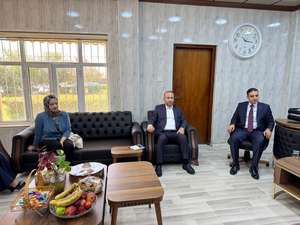
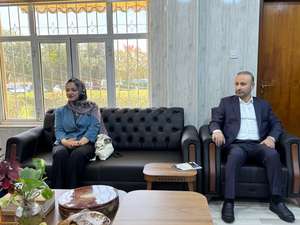
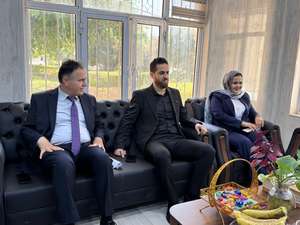
The Advisory Board of the College of Administration and Economics Holds Its First Regular Meeting
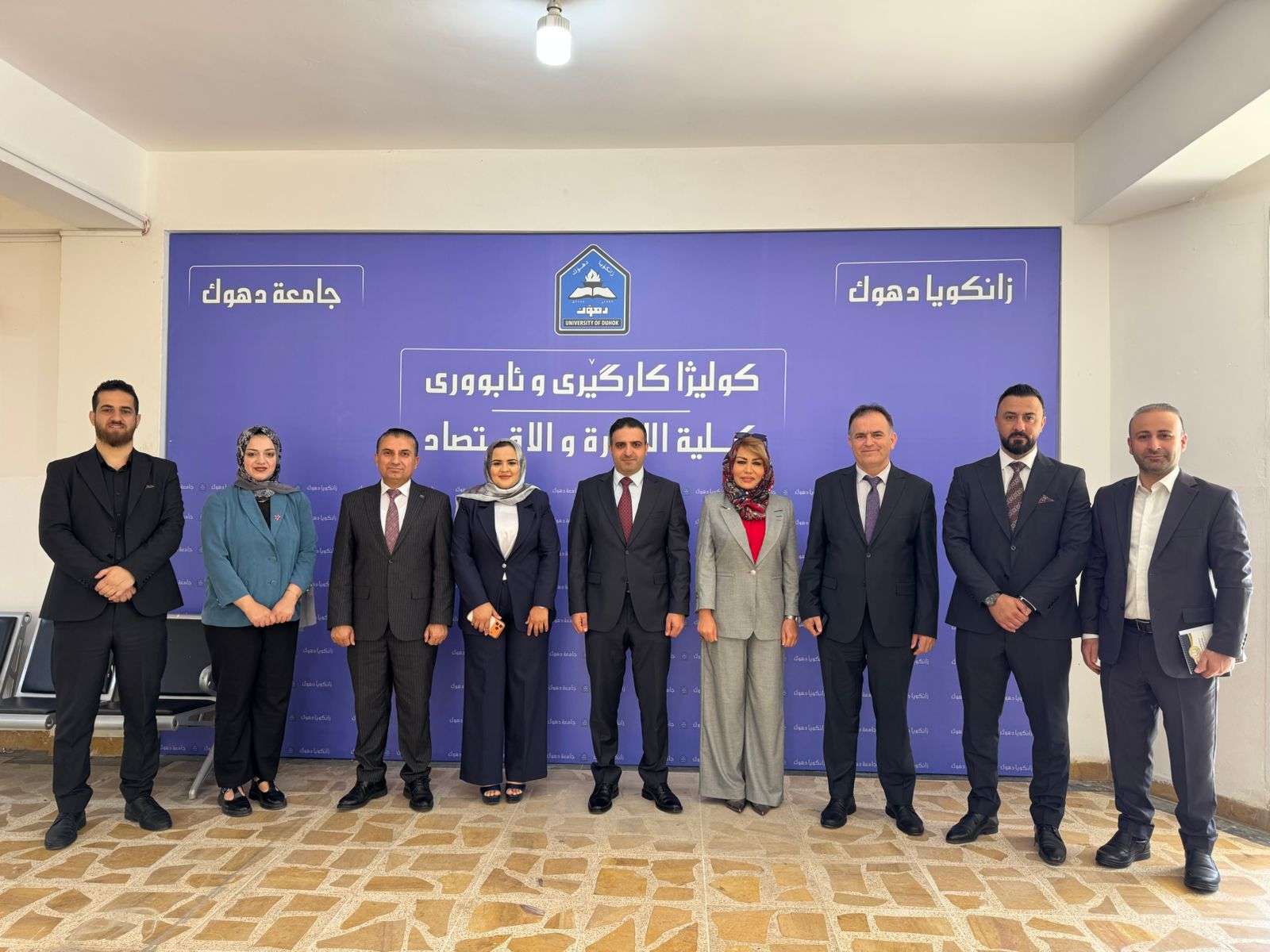
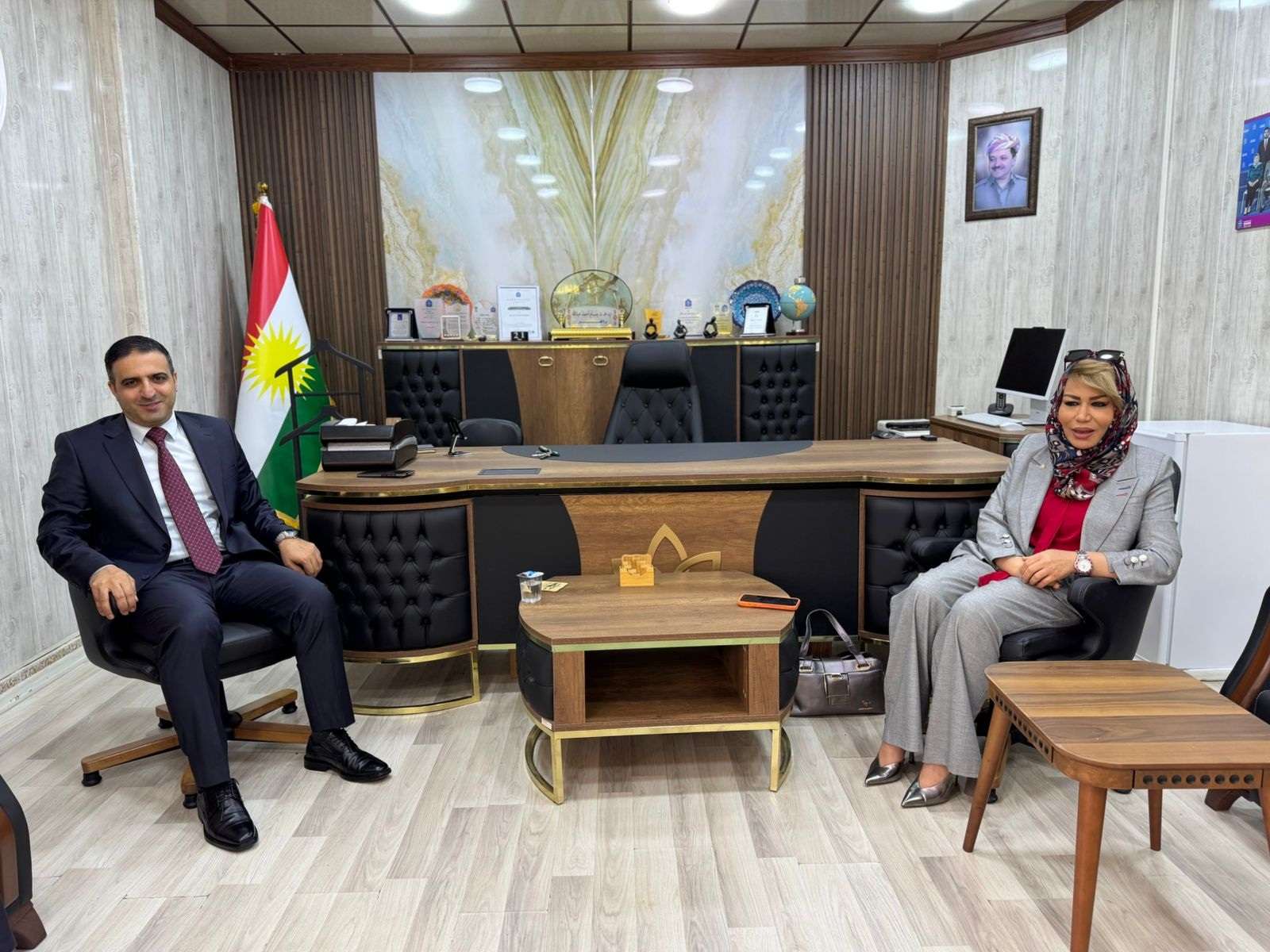
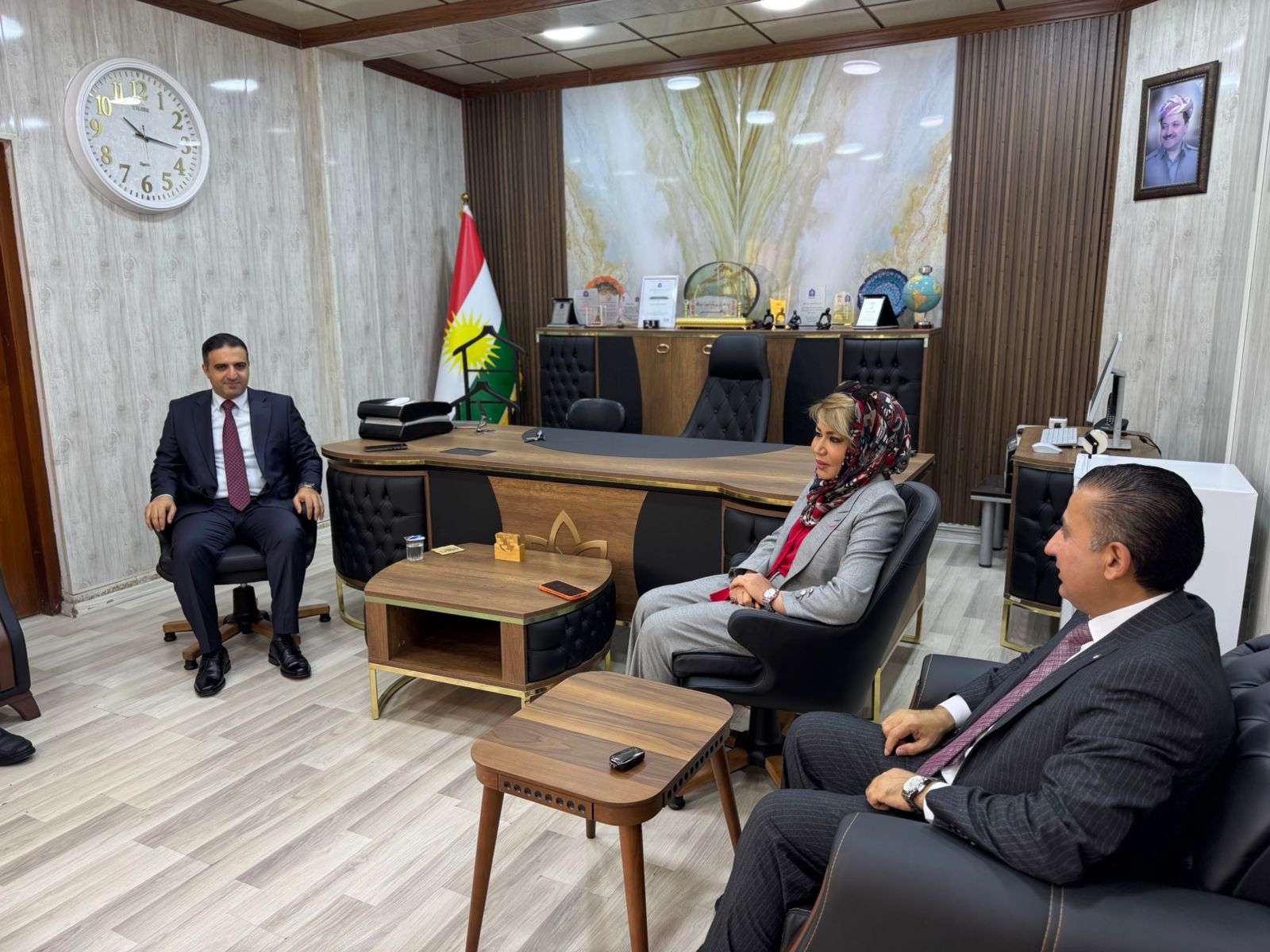
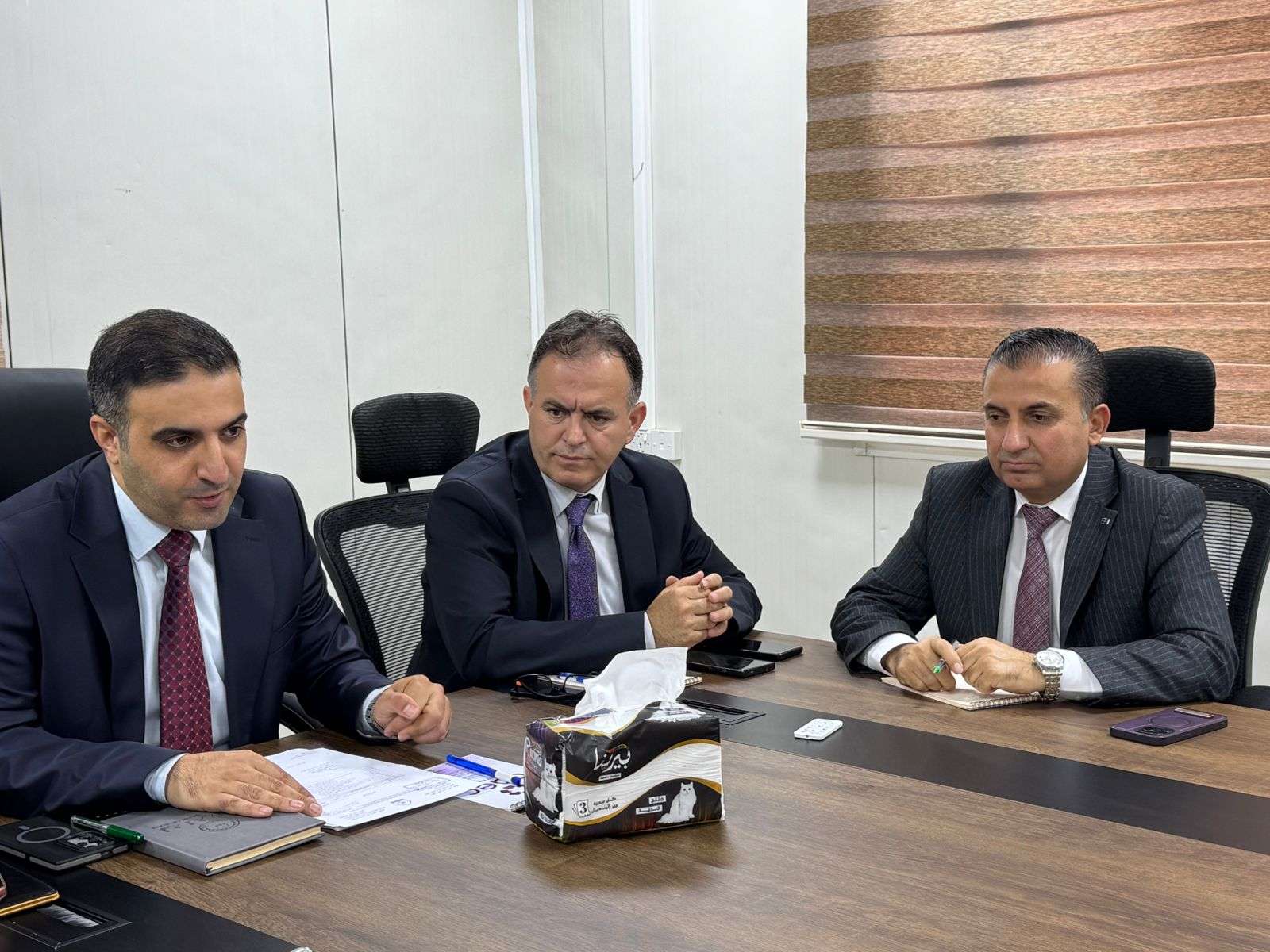
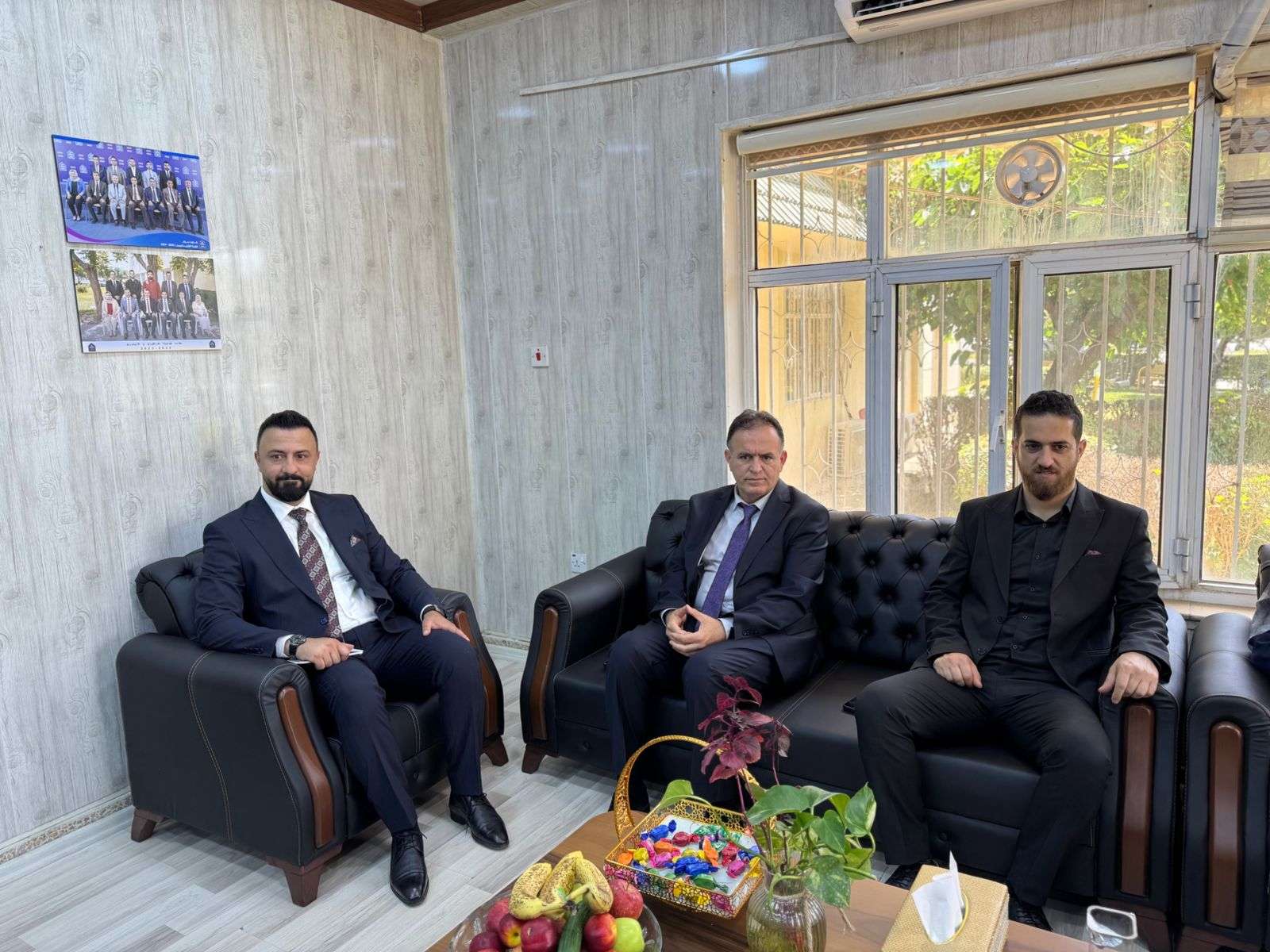
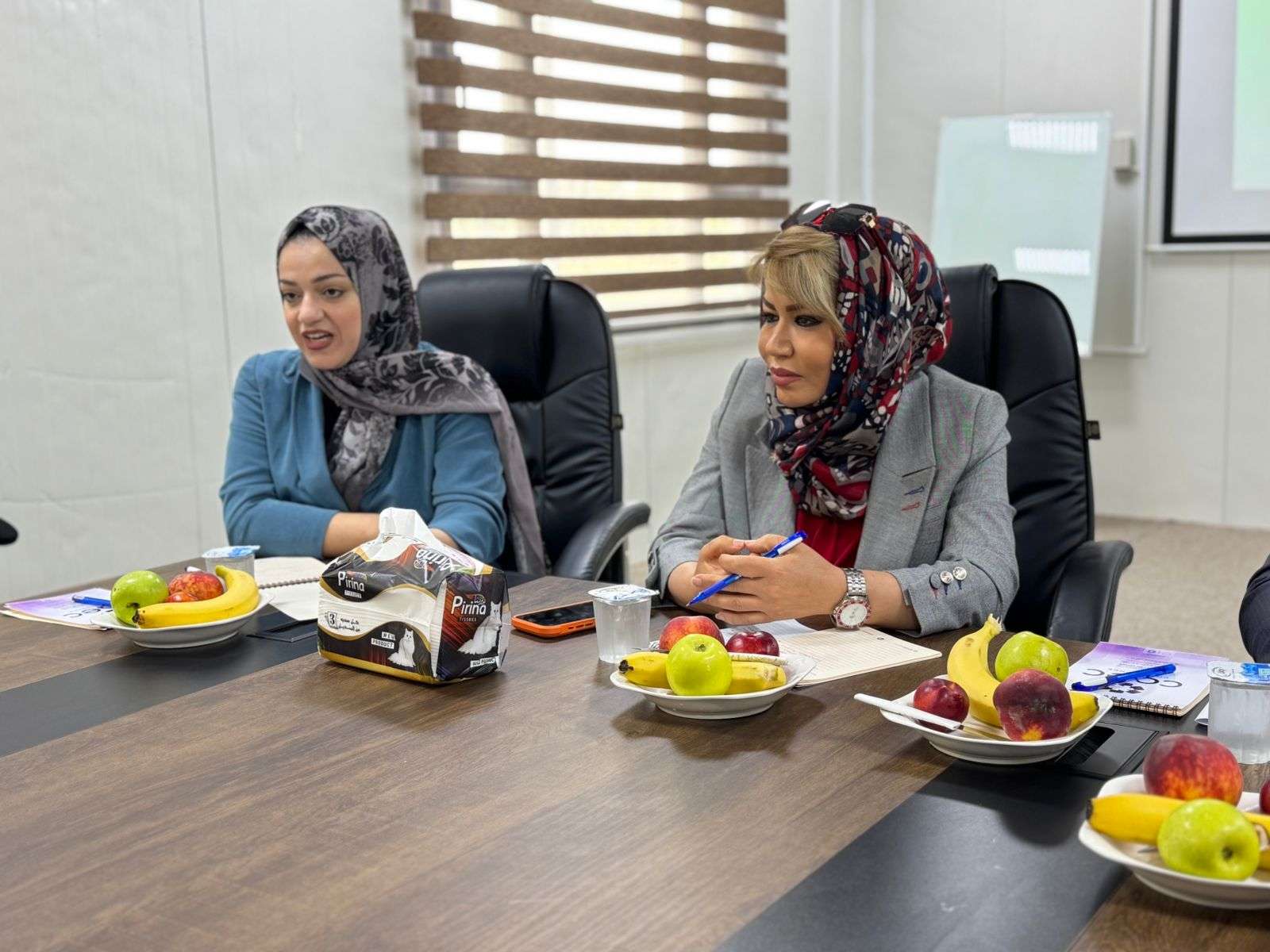
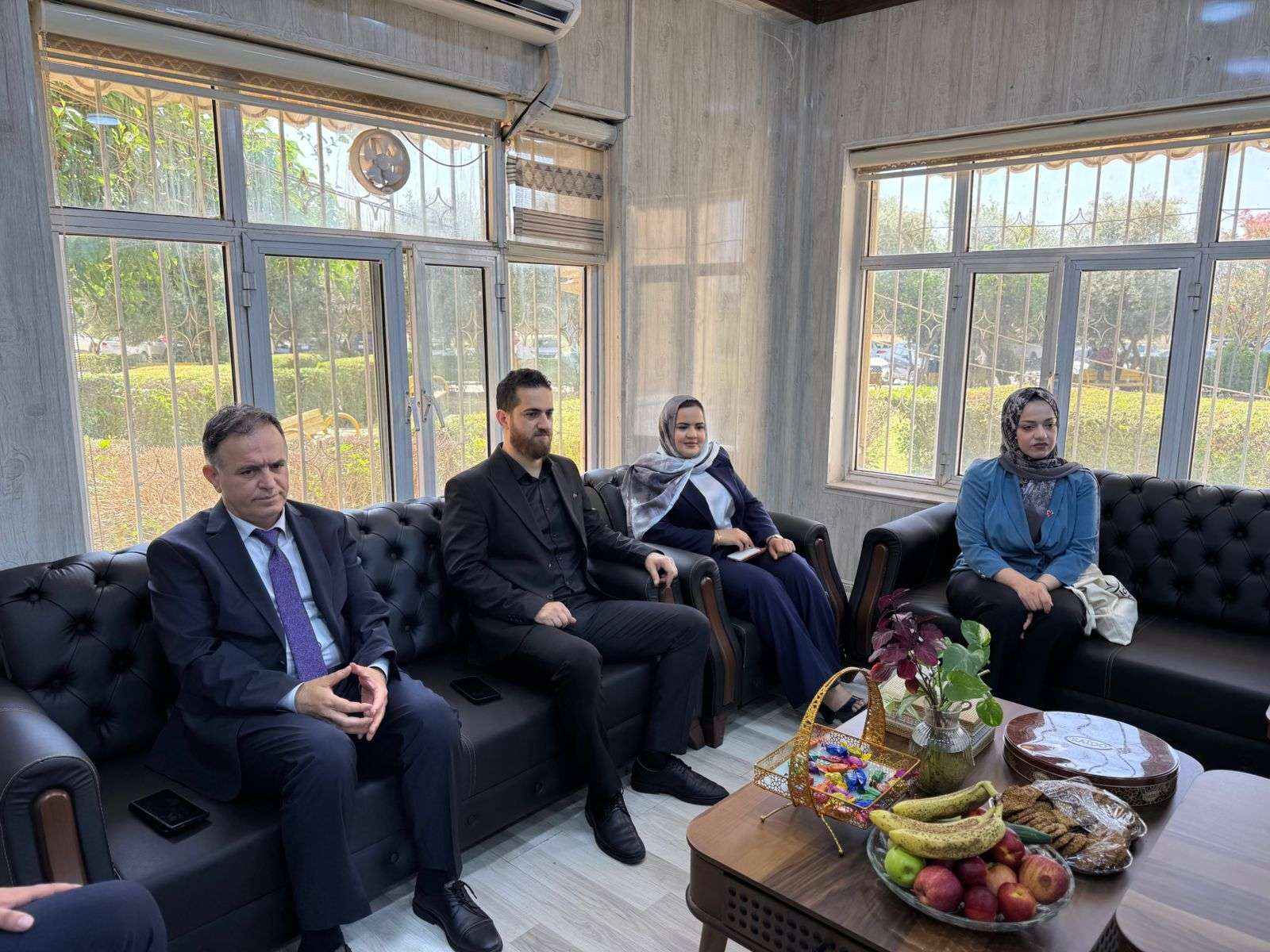
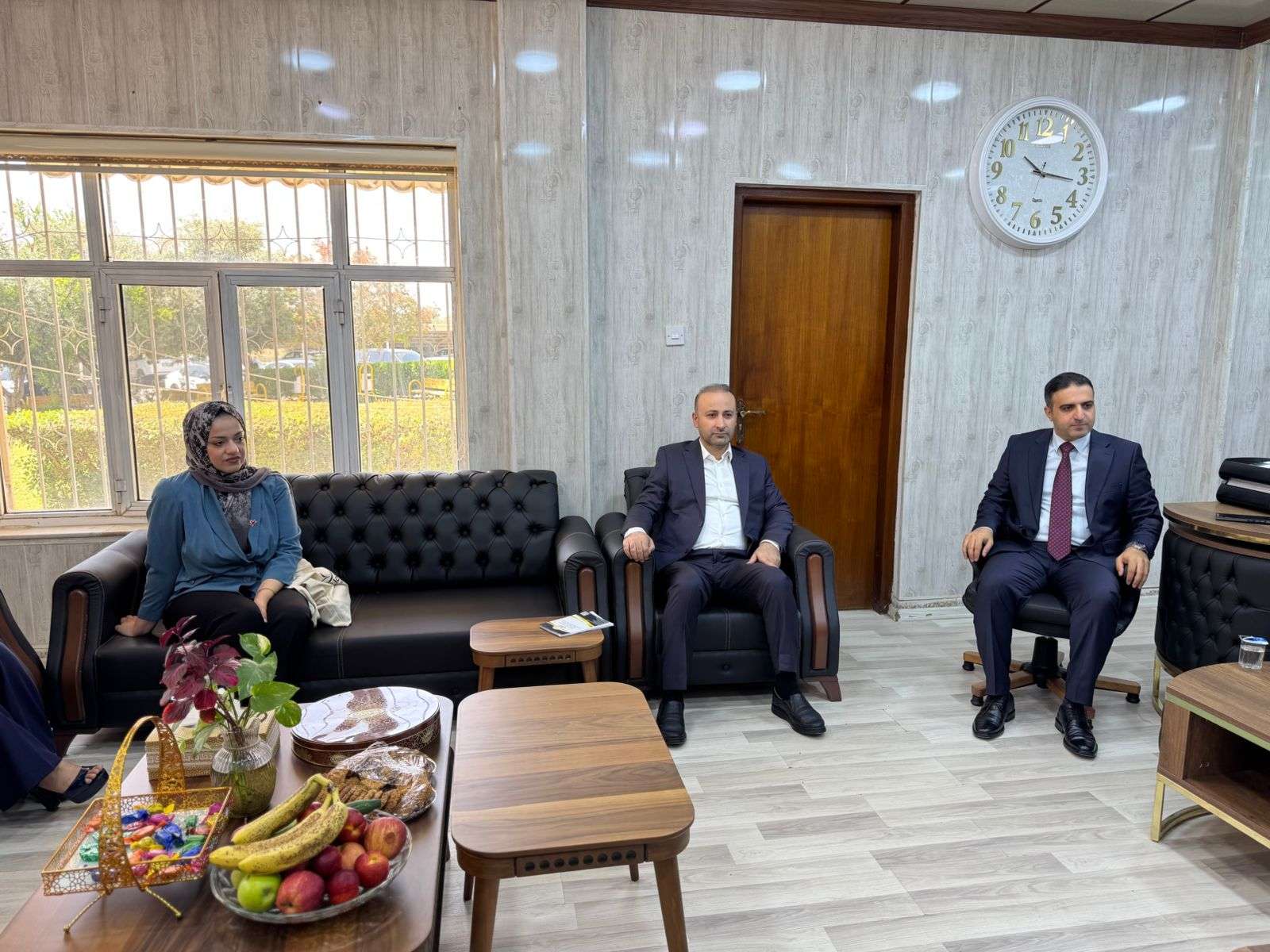
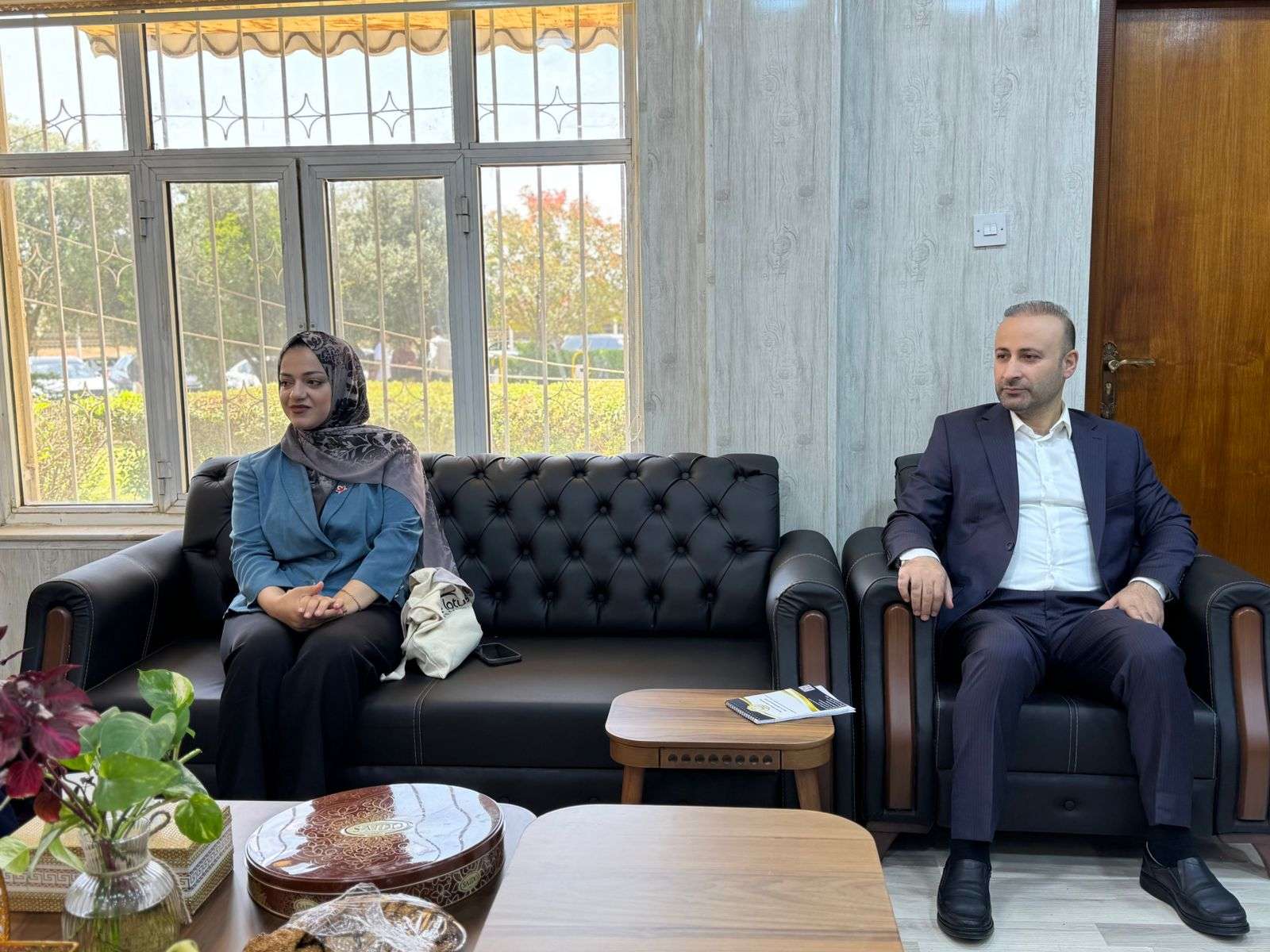
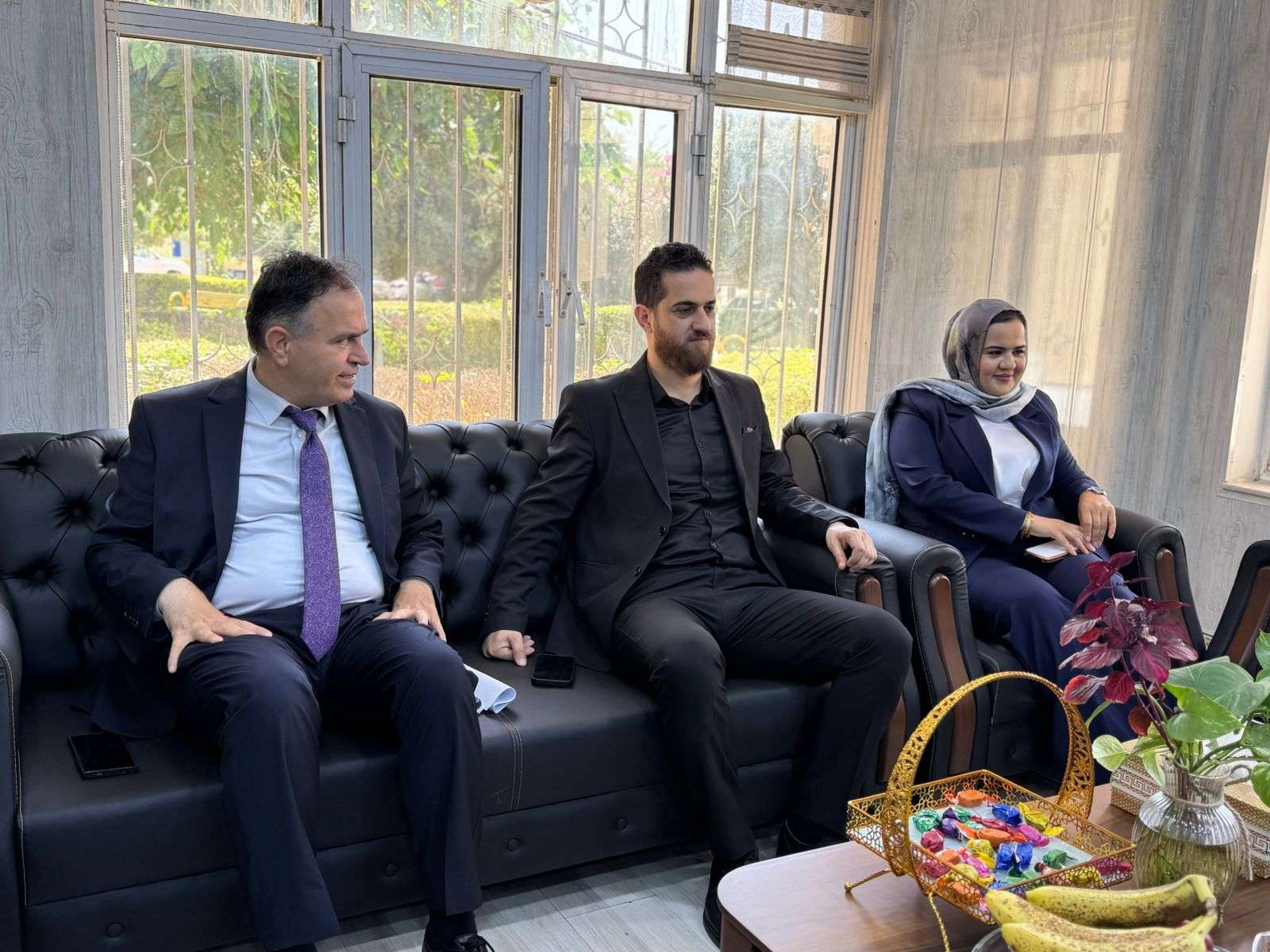
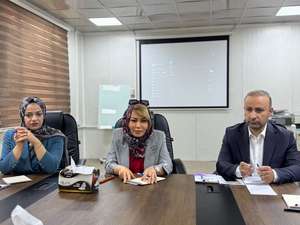
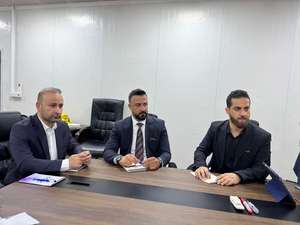
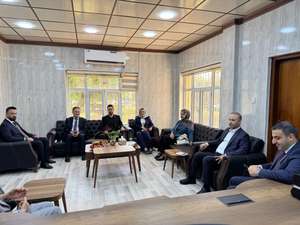
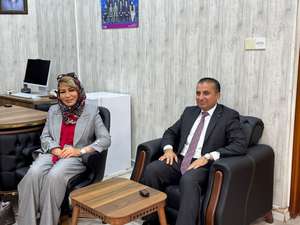
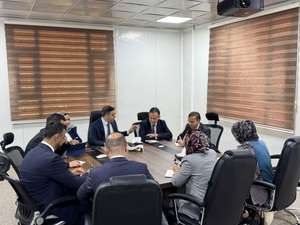
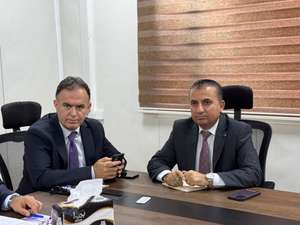
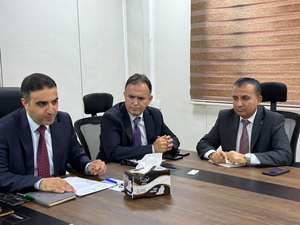
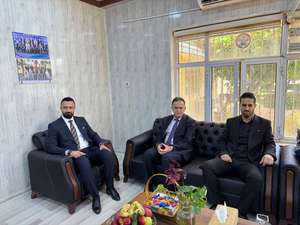
On Thursday, May 21, 2026, the Advisory Board of the College of Administration and Economics at the University of Duhok held its first regular meeting, with the attendance of internal and external board members, as listed below:
- Prof. Dr. Bassam Ahmed Abdullah / Dean of the College – Chair.
- Dr. Ahmed Abdulrahman Khidir / Member – Head of the Economic Unit at the Ministry of Finance and Economy.
- Dr. Samir Fakhri Neama / Member – Director General of the Directorate of Statistics and Research at the Central Bank of Iraq.
- Asst. Lect. Jambad Shukri Babakir / Member – Member of the Duhok Governorate Council, Chair of the Education Committee, and Rapporteur of the Health and Environment Committee at the Governorate Council.
- Dr. Alvin Nadhir Jajo / Member – Faculty Member at the College and Head of the Department of Marketing Management.
- Dr. Dilman Khoshavi Ramadhan / Member and Rapporteur – Faculty Member at the College and Head of the Higher Education and Scientific Affairs Unit.
- Dr. Kawa Abdulaziz / Member – Head of the Kurdistan Economists Syndicate / Duhok Branch.
- Asst. Lect. Ahmed Mohammed Ahmed / Member – Head of the Accountants and Auditors Syndicate / Duhok Branch.
- Vian Ahmed Sadiq / Member – Regional Director of Lotus Flower Organization.
- Abdulaziz Hamid Ahmed / Member – Executive Director at the Iraqi-Jordanian Company for Industrial Development and General Trade.
At the beginning of the meeting, the Chair of the Board, Prof. Dr. Bassam Ahmed Abdullah, welcomed the distinguished members and emphasized the importance of the Advisory Board as a supportive body that provides strategic insights and guidance to enhance the College’s academic and administrative performance.
The meeting also included discussions on several key topics related to the affairs and development of the College. The main topics included:
College Development: Formulating new strategies by benefiting from the expertise of the board members, in order to improve the academic and administrative standards of the College.
Providing Employment and Training Opportunities: Strengthening relations with external stakeholders, particularly the private sector, industrial institutions, and community leaders, to provide more training and employment opportunities for the College’s graduates.
Enhancing Engagement with External Expertise: Building effective bridges of cooperation between the College’s academic and administrative staff on the one hand, and external experts and institutional representatives on the other, in a way that serves the interests of the College, its students, and its graduates.
The meeting concluded in a positive atmosphere, with several important recommendations and proposals presented to support the College’s progress and further develop its performance in the coming stage.